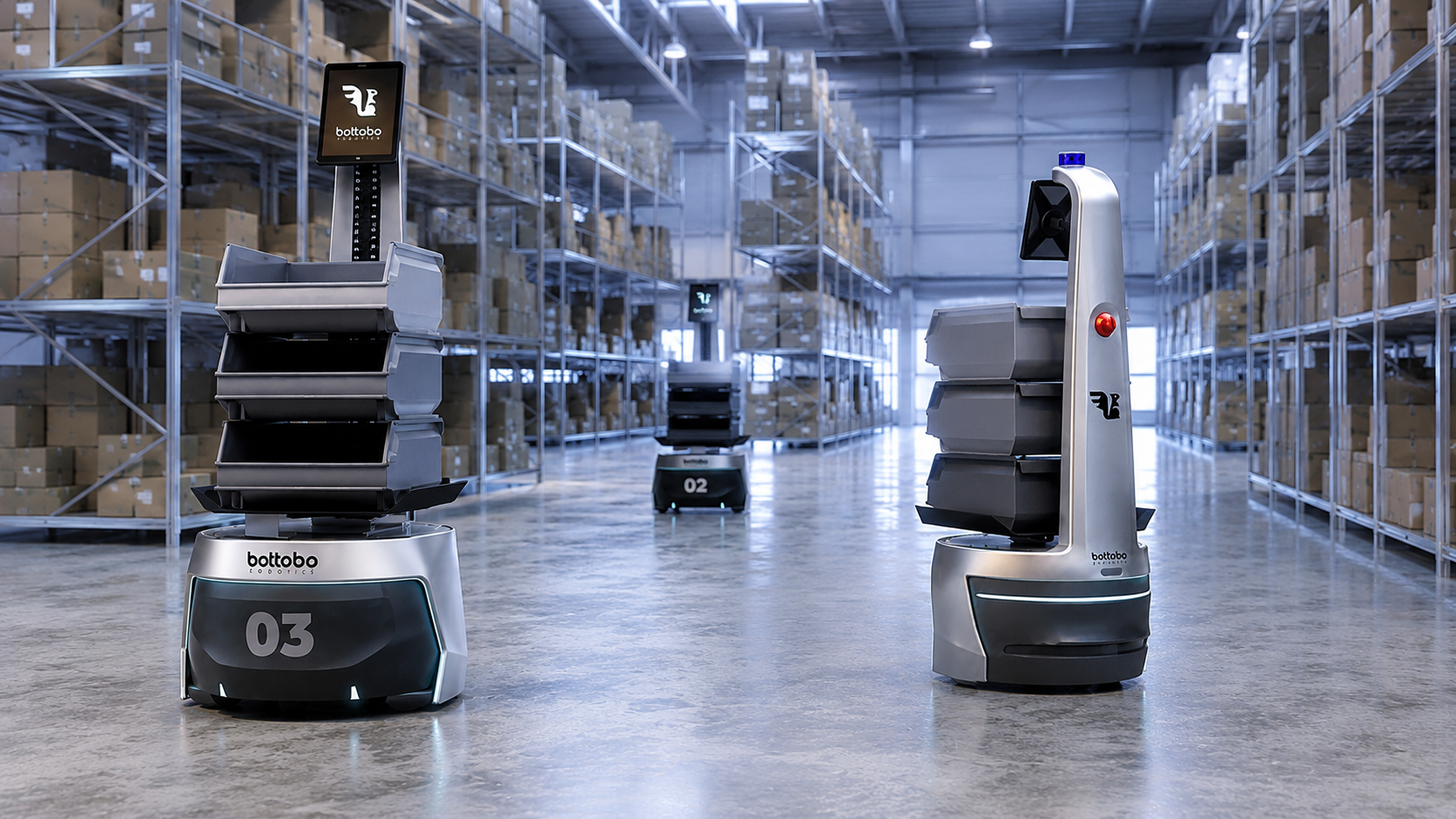
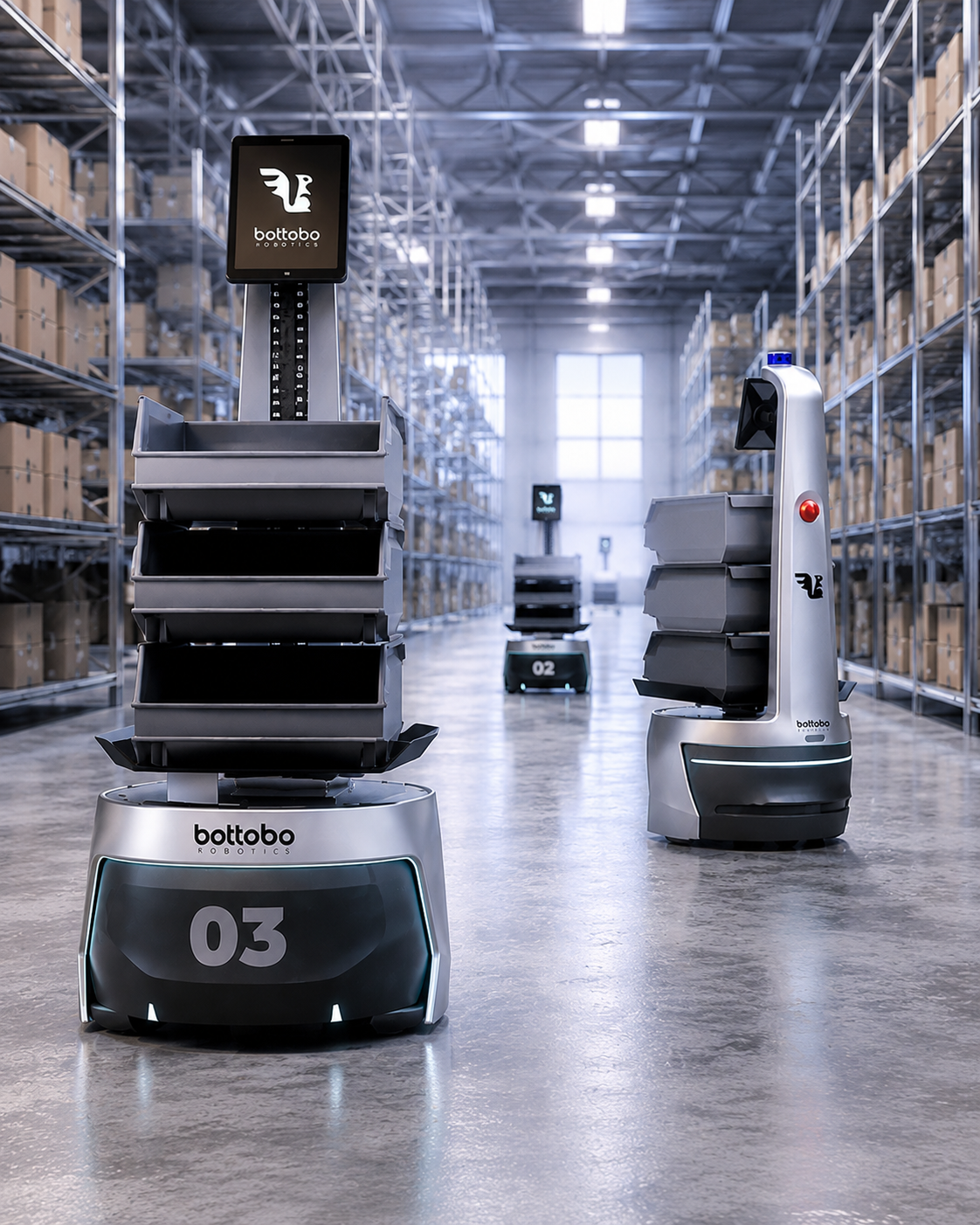
An autonomous mobile robot taken from concept to a fully producible product — without sacrificing a single line of the original design.
Pixer's design language was already set by the time I joined. Berk Kaplan had worked with Bottobo on the early concept, defining the visual direction and design identity the product would carry.
My role started where that ended: taking a strong concept and carrying it all the way to a feasible, manufacturable product — without compromising the design that had already been decided.
I didn't treat this as a redesign. The concept stayed almost entirely intact — my job was to find the right materials and production technologies that could carry it into reality, alongside a disciplined design-to-cost process.
As development progressed, technical requirements shifted — lidar placement, camera positioning, internal layout — and each change had to be absorbed into the manufacturable model without disturbing the design language Bottobo had already approved.
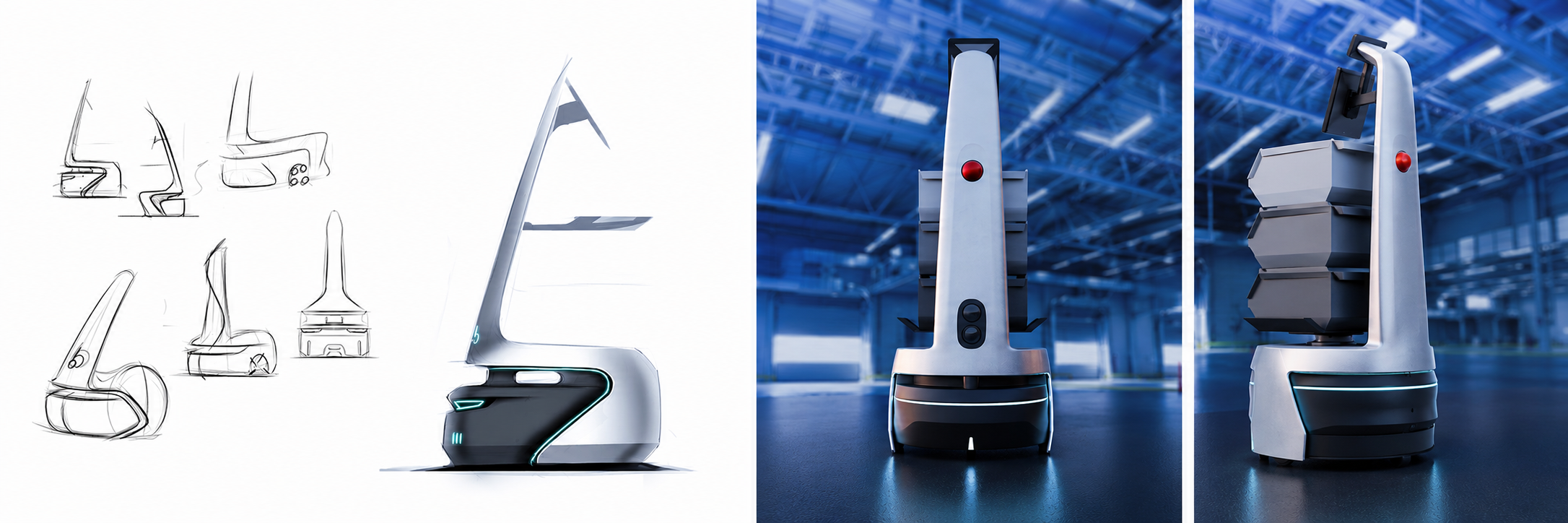
A good designer doesn't trade the design away for manufacturability. They find the smart solution that keeps both.
Idea
The task wasn't to reinvent Pixer — it was to prove that a strong concept doesn't have to be diluted by technical or production constraints. Most engineering processes assume design has to bend when reality pushes back. I treated that assumption as the thing to disprove.
Pixer needed to move 100kg payloads at 1.8 m/s through narrow warehouse aisles, navigate multiple floors, and run on wireless charging — every one of those technical demands had to fit inside a form that was never meant to change.
Form
The original silhouette — 600mm wide, 1800mm tall — stayed the design's anchor throughout development. Every internal change, from sensor placement to battery architecture, was solved from the inside without altering what the robot looked like from the outside.
When lidar and camera positions shifted during development — often for safety or navigation reasons outside my control — I integrated each change into the manufacturable model rather than letting it dictate a new exterior.
Function
Design-to-cost and DFM weren't an afterthought bolted onto a finished design — I ran them in parallel with every decision, from material selection to assembly logic, ensuring the final robot could actually be built at the volumes and margins Bottobo needed.
The result carries genuine industrial performance: 100kg payload, 8-hour battery life with 30-minute wireless charging, and a safety system built around 2D lidar, 3D camera sensing, and a dedicated safety PLC — all without the design ever feeling like it was built around the engineering instead of with it.
Differentiation
Most hardware projects treat "concept to production" as a phase where the design gets quietly compromised. I didn't work within constraints that forced trade-offs — I worked to prove they weren't necessary in the first place.
That's the real differentiation: not a feature on the robot, but a discipline in how it was engineered. The thing that makes Pixer's industrial design credible is that nothing had to be sacrificed to make it real.
Impact
Pixer is now active with customers in Turkey and abroad, moving through the warehouses of companies who've signed on. A concept that could have stalled in development became a robot doing real work on real warehouse floors.
The product shipped looking exactly like the product that was first designed — a rare outcome in hardware development, and the clearest proof this approach worked.
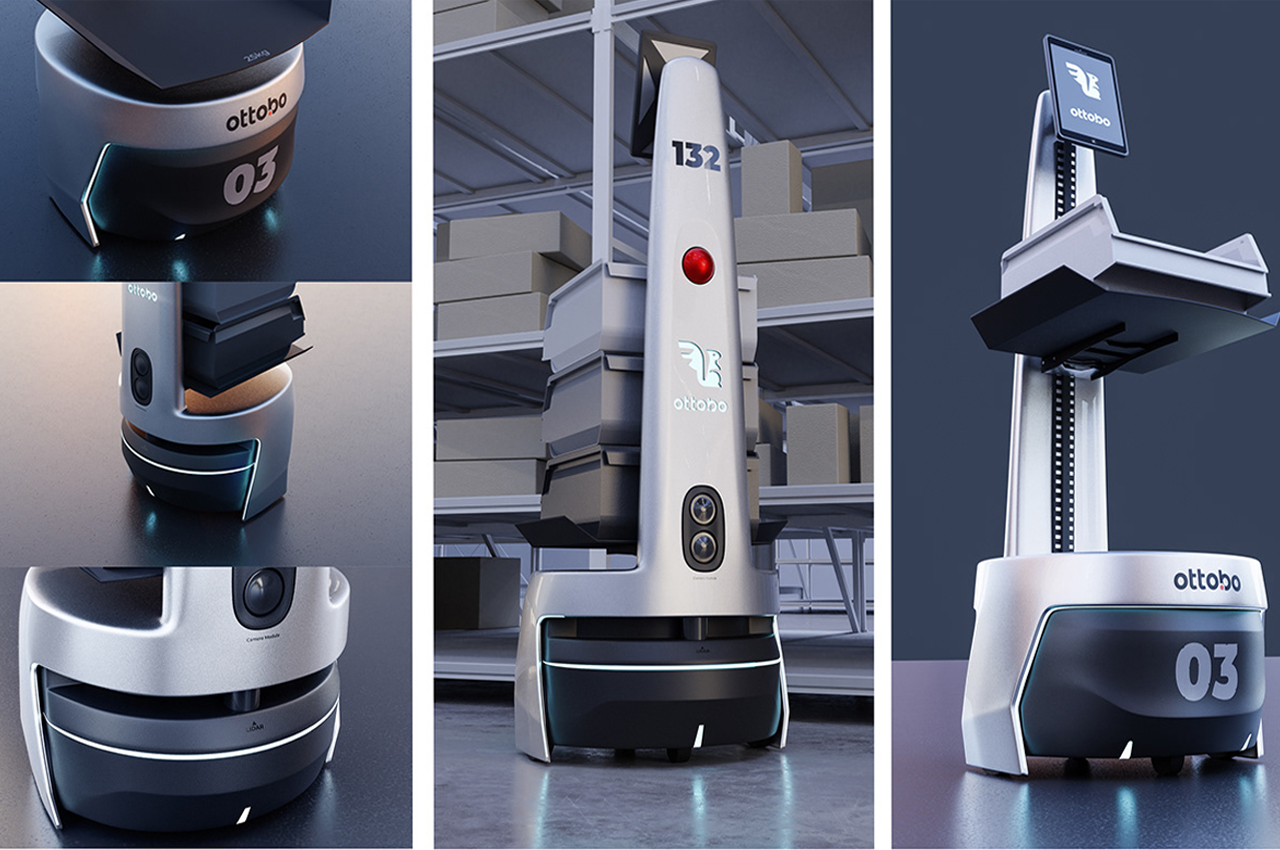
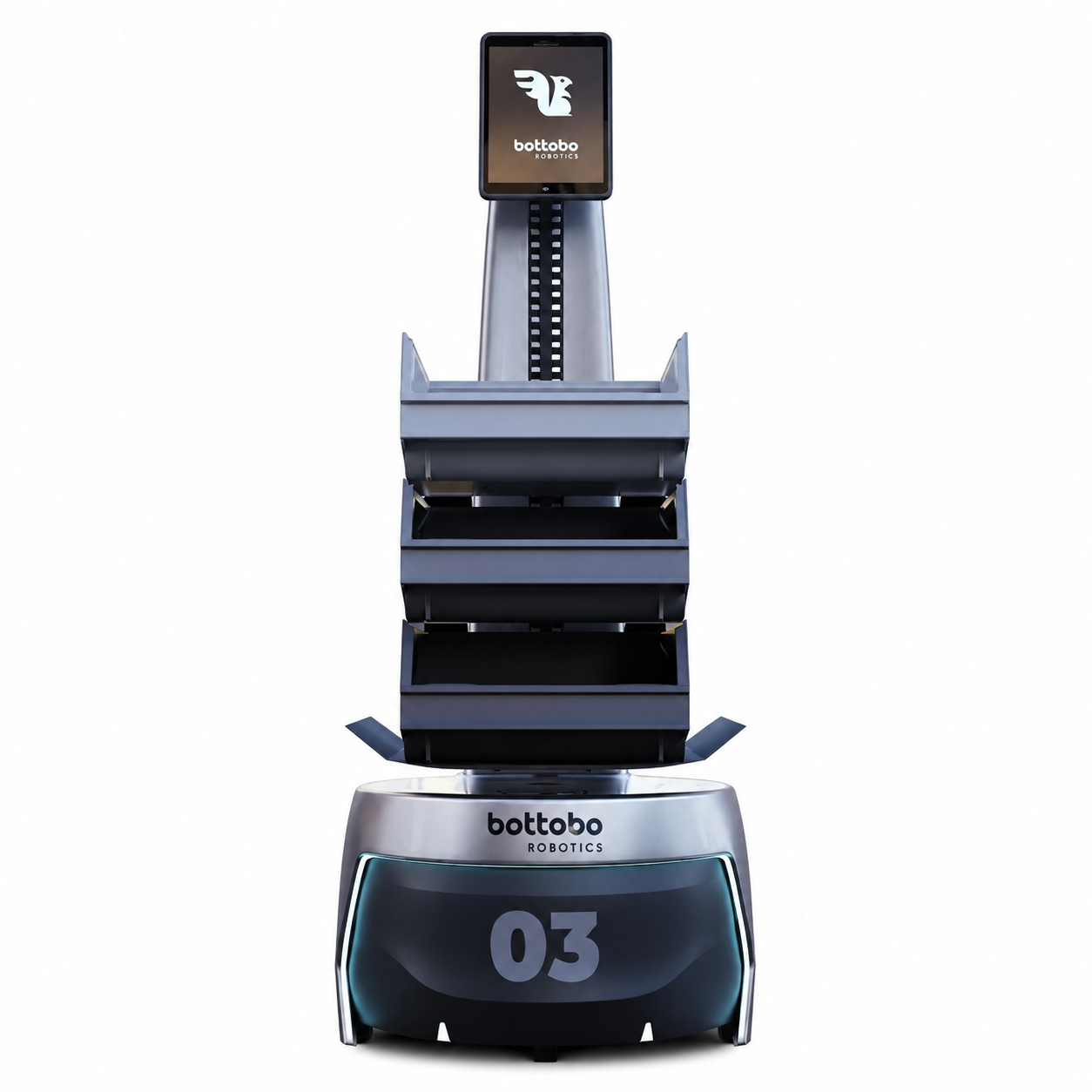
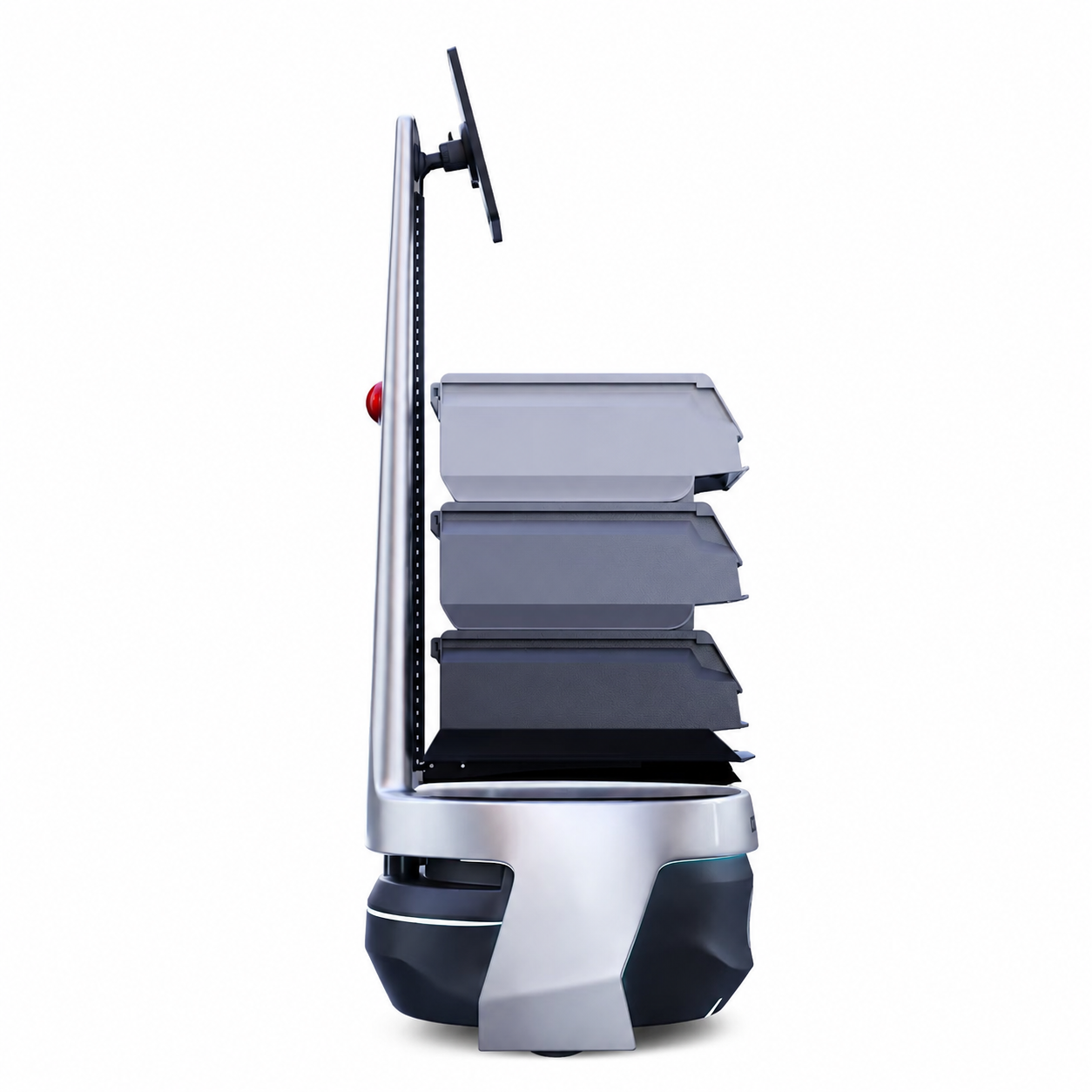
I didn't work within a fixed set of constraints on this project — the real constraint was technical necessity itself, and the discipline was refusing to let it become an excuse to alter the design. Lidar repositioning, camera relocation, internal architecture changes — each one could easily have justified a visible compromise. None of them did.
This is what I'm most proud of in this project: proving that technical difficulty or production limitations don't force a designer to change the design. A genuinely good designer finds the intelligent solution that keeps the design intact while solving the real-world problem underneath it. That's not always possible — but on Pixer, it was, and that's the part of this work I value most.
Pixer went from concept to a manufacturable, certified industrial robot without losing the design language it started with. It now operates in warehouses across Turkey and international markets, carrying the same identity it was given on day one.